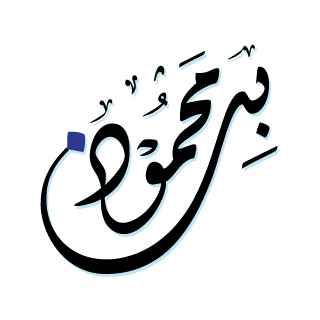
The Essence of Arabic Calligraphy Art
Arabic calligraphy is far more than writing; it is the elegant union of art, faith, and expression. Every curve, every stroke, and every elegant letter in the Arabic script carries centuries of culture, spirituality, and creative mastery. The art form is one of the most refined visual traditions in the Islamic world — a timeless bridge between tradition and modernity.
A Rich Historical Background
The roots of Arabic calligraphy stretch back to the 7th century, as the Arabic script became not just a means of communication but a sacred vessel for the words of the Qur’an. As one source notes: “Islamic calligraphy began with the reverence of the written word as a divine act” and evolved across continents from North Africa to South Asia. Deen Arts Foundation
Early scripts such as Kufic, with its bold angular forms, gradually gave way to more fluid styles like Naskh and Thuluth used in manuscripts, architecture, and decorative arts. Scribd Over time, this artistic tradition travelled with Islam’s spread — weaving into regional contexts, cultural identities, and artistic schools throughout the Islamic world.
In its historical roles, calligraphy adorned everything from mosque domes to illuminated manuscripts — turning built spaces and ordinary objects into sanctuaries of beauty. Sedekahsg
The Artistry Behind Arabic Calligraphy
At its core, Arabic calligraphy is less about words and more about visual harmony and emotional resonance. The script’s flexibility allows artists to explore elaborate compositions, rich textures, and rhythmic flow. For instance:
-
Naskh: Known for its clarity and legibility, commonly used in books and print. Wikipedia
-
Thuluth: Recognised for sweeping curves and dramatic strokes, seen in architectural inscriptions. Wikipedia
-
Diwani: A more ornate and flowing style of the Ottoman era, often used in royal decrees. Wikipedia
Traditional tools — such as the qalam (reed pen), handmade inks, and fine paper — continue to link contemporary calligraphers to centuries of practice. But today’s artists also embrace digital tablets, vector art, and global design platforms — allowing Arabic calligraphy to evolve while preserving its soul. Deen Arts Foundation
Spiritual Significance & Cultural Identity
For many writers and collectors, Arabic calligraphy is a path to meditation — each letter is crafted with reverence and precision. Sedekahsg
The art’s cultural resonance is profound: it honours the Arabic language, preserves heritage, and expresses identity across the Islamic world. As one paper states: “The Arabic alphabet is one of the most beautiful characters in the world… distinguished by its unique beauty and originality.” ResearchGate When you wear or display a calligraphy piece, you’re not just showing design — you’re sharing story, depth, and pride.
Modern Evaluation & Contemporary Applications
Today, Arabic calligraphy thrives not only on paper and stone — but also in fashion, product design, digital media, and global art platforms. It forms a link between ancient script and modern aesthetics. Sedekahsg
Movements like Hurufiyya blended calligraphy with modern art ideals — turning letters into bold shapes and cultural statements. Wikipedia At Bin Mahmood, this spirit lives on: from wall art to mugs, hoodies to notebooks — Arabic calligraphy becomes wearable, movable, and deeply personal.
Conclusion: The Timeless Appeal of Arabic Calligraphy
Arabic calligraphy remains one of the most evocative art forms in the world — a testament to beauty, spirituality, and identity. Whether you admire it in a centuries-old mosque or personalize it on a modern hoodie, the effect is the same: it invites you into contemplation and creativity.
At Bin Mahmood, we honour this legacy by blending classical elegance with contemporary design, helping you carry a piece of tradition into your everyday life.
🔗 Ready to explore our Arabic calligraphy collections? Discover more and design your own at BinMahmood.co.