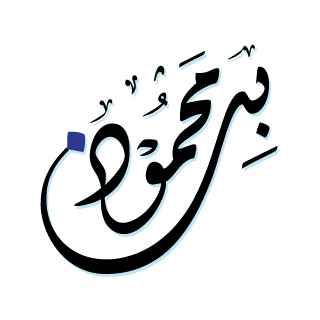
The Most Prominent Style of Decorating Arabic, Urdu & Persian Calligraphy
Bin Mahmood: A Modern Vision of Calligraphic Art
Arabic, Urdu, and Persian calligraphy is more than writing — it is emotion, spirituality, and identity etched on paper, canvas, or any medium. Among contemporary calligraphers, Bin Mahmood exemplifies how traditional scripts can be transformed into digital, modern, visually striking, and meaningful artworks.
Discover more about the artistic heritage of Arabic Calligraphy and its evolution across centuries in The Met Museum’s Islamic Art Collection.
The Essence of Bin Mahmood’s Style
Bin Mahmood’s work honors the beauty of classical Arabic, Urdu, and Persian scripts, while reimagining them for modern aesthetics.
-
Thuluth: Grand, rounded curves with intricate detailing.
-
Diwani: Slim, closely connected letters that flow rhythmically.
-
Nastaʿlīq (Urdu & Persian): Elegant, slanted scripts that evoke poetry and emotion.
When combined with contemporary design elements, these scripts become art pieces that are visually stunning and philosophically profound, inviting reflection and admiration.
Color and Texture
Color and texture are at the heart of Bin Mahmood’s creations and often use of:
-
Deep blues, vibrant reds, and golden hues to evoke emotion.
-
Gold leaf detailing for luxury and depth.
-
Layered textures on canvas, wood, or paper mache, encouraging viewers to see and feel the art up close.
The interplay of glossy and textured surfaces creates a multi-sensory experience, elevating each work beyond mere visual appeal.
Layering and Composition
A signature feature of Bin Mahmood’s work is layered composition:
-
Multiple scripts or phrases intertwined to create three-dimensional visual depth.
-
Use of negative space to guide the viewer’s eye and highlight balance, symmetry, and rhythm.
-
Harmonizing classical motifs with modern design principles, reflecting Islamic artistic traditions.
Every composition encourages exploration, revealing hidden meanings and poetic associations.
Themes and Inspirations
Bin Mahmood draws from a wide range of sources:
-
Classical poetry, proverbs, and literary excerpts in Arabic, Urdu, and Persian.
-
Cultural integration and global appeal, ensuring that traditional scripts resonate with contemporary audiences.
-
Philosophical reflections, elevating calligraphy from decoration to thought-provoking art.
Modern Techniques and Digital Influence
In the 21st century, Bin Mahmood combines digital tools with centuries-old calligraphy techniques.
-
Original works remain cherished; digital prints allow wider accessibility.
-
Modern technology helps preserve cultural heritage while adapting calligraphy for contemporary spaces.
-
Art becomes educational, shareable, and appreciated by new generations.
Sum Up
Bin Mahmood’s work represents the intersection of tradition, innovation, and modern aesthetics. Through his mastery of color, texture, layering, and composition, he has created a unique artistic code that is admired globally.
-
Respects classical traditions of Arabic, Urdu, and Persian calligraphy.
-
Pushes the boundaries of modern artistic expression.
-
Inspires new generations through both artwork and education.
Bin Mahmood is a living legend of calligraphy, whose creations, teachings, and artistic philosophy continue to shape the renaissance of Arabic, Urdu, and Persian calligraphic art worldwide.
Explore more of his work and experience the elegance and depth of calligraphy at Bin Mahmood Wall Art Collection.