The Rise of Arabic Calligraphy in American Art
The Significance of Arabic Calligraphy
Over the past decade, Arabic calligraphy has found a prominent place in American contemporary art, becoming a bridge between cultures, languages, and identities. Artists like Khaled Al-Muhsin, Samir Sayegh, and others including Binmahmood have pioneered a new creative wave that merges Middle Eastern calligraphic traditions with Western modern art movements.
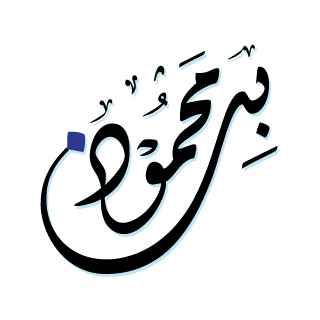
Binmahmood as a visionary who brings the ancient beauty of Arabic, Urdu, and Persian scripts into the modern world of personalized and customizable art. His work is not limited to the digital brush or canvas; it extends into everyday life through digital design, prints, and wearable art, redefining how calligraphy is perceived and appreciated in the West.
Historical Context: From Sacred Script to Global Expression
Arabic calligraphy has always been more than decoration — it is a form of spiritual and cultural expression. Originating in the Islamic world, it was once reserved for Qur’anic verses and sacred architecture. Its graceful lines and rhythmic patterns reflected divine beauty and spiritual discipline.
However, as globalization reshaped the art world, new generations of artists began experimenting with cross-cultural interpretations. Arabic calligraphy started to appear in contemporary galleries, exhibitions, and even public installations in the United States.
Binmahmood’s approach fits perfectly within this evolution — he modernizes the art while keeping its soul intact. Through his fusion of Arabic, Urdu, and Persian calligraphy, he connects the traditional art form with modern American audiences who value personalized, meaningful, and diverse artistic expressions.
Artistic Approach: Fusion of Tradition and Modernity
What defines Binmahmood’s style is his ability to blend the heritage of classical calligraphy with the freedom of modern design. He experiments with:
-
Bright color palettes inspired by digital art,
-
Layered compositions that merge Eastern symbolism with Western abstraction,
-
And multimedia techniques — from acrylic and digital print to mixed installations.
Arabic, Urdu, Persian Fusion Calligraphy by BinMahmood
By combining traditional strokes with customizable digital design, his works transform calligraphy into a personal art experience. Clients can request custom designs — names, verses, or motifs — in Arabic, Urdu, or Persian scripts, allowing individuals to own a piece of art that reflects their identity and emotions.
This personalization reflects a wider trend in contemporary art — where the viewer becomes part of the creation process, shaping art through personal meaning.
Cultural Significance: Redefining Perception and Identity
The integration of Arabic calligraphy into American art spaces challenges stereotypes and introduces viewers to a deeper understanding of Arab and Islamic culture. Rather than seeing calligraphy as a “foreign” aesthetic, audiences now recognize it as a universal language of emotion, rhythm, and meaning.
Through his work, Binmahmood creates cultural dialogue — connecting people of different backgrounds through shared appreciation of artistic beauty. His calligraphy transcends linguistic barriers, using visual form to communicate themes of love, faith, and humanity.
This blending of Eastern and Western aesthetics not only enriches modern art but also highlights the growing appreciation for personalized and culturally infused design — whether in galleries, homes, or digital art spaces.
Impact on the American Art Community
American galleries have begun to feature calligraphy exhibitions, reflecting a broader acceptance of multicultural creativity. This growing visibility is helping Arabic calligraphy become part of the global artistic dialogue — celebrated not just for its beauty but for its narrative power.
Conclusion: A New Chapter for Arabic Calligraphy
The rise of Arabic calligraphy in American art marks a turning point where tradition meets innovation. Artists are proving that calligraphy is not confined to history; it thrives in modern spaces — digital, cultural, and emotional.
By merging Arabic, Urdu, and Persian scripts with customized digital artistry, Binmahmood’s work symbolizes a new artistic era: one where personalization, identity, and culture coexist harmoniously.
His vision reminds us that art is a universal language — and through every curve of a letter or stroke of a brush, it continues to connect hearts across continents.
Qatari artist’s Arabic calligraphy finds new home on US streets” – Doha News Doha News | Qatar
A Piece of the Global Movement
Join the movement of bringing Eastern beauty to Western spaces. Every BinMahmood piece is a bridge between cultures, crafted right here for your home.
Shop the BinMahmood Gallery – Shipping to US & UK